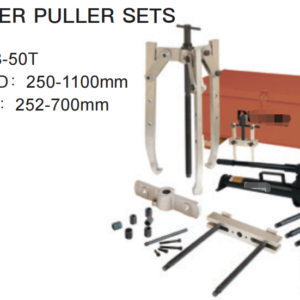
Awọn LONGLOD Ti nso Cup Puller Ṣeto ti wa ni apẹrẹ fun awọn daradara ati ailewu yiyọ kuro ti nso agolo, ti nso meya, edidi, ati awọn miiran ni wiwọ irinše. Ti ṣe atunṣe pẹlu ga-agbara irin alloy ikole, yi puller pese o tayọ agbara, igbẹkẹle, ati iṣẹ ṣiṣe fun awọn ohun elo itọju ọjọgbọn.
Pẹlu a rọ ṣiṣẹ ibiti o ti o pọju arọwọto lati 110 si 145 mm ati o pọju itankale lati 26 si 359 mm, Eto Puller Bearing Cup le gba ọpọlọpọ awọn iwọn gbigbe ati awọn ohun elo lọpọlọpọ.
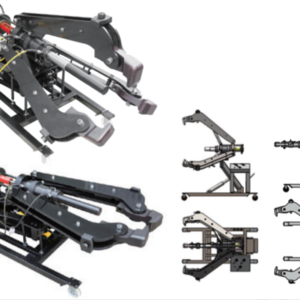
Awọn puller ti wa ni tun še lati wa ni awọn iṣọrọ ni idapo pelu Agbelebu ti nso Pullers, pese ojutu ti o wapọ ati lilo daradara fun yiyọ awọn paati ti o nira-si-wiwọle ni adaṣe, ile ise, ati awọn agbegbe atunṣe ẹrọ.
Ti ṣelọpọ lati awọn ohun elo irin alloy Ere, the puller offers:
The durable construction ensures dependable operation in demanding maintenance environments.
The adjustable design allows the puller to fit various bearing cups, races, edidi, and other components.
Working Range:
This flexibility makes it suitable for different bearing removal requirements.
The Bearing Cup Puller can be easily adapted to Cross Bearing Puller systems, allowing operators to create a more versatile pulling solution.
Benefits include:
The precision-designed pulling structure provides stable gripping force and helps remove components safely without unnecessary damage.
Ideal for removing:
Designed for workshops, repair technicians, and industrial maintenance teams requiring reliable tools for frequent component removal operations.
The LONGLOOD Bearing Cup Puller Set is widely used in:
High-strength steel alloy construction provides excellent durability and supports repeated professional use.
The adjustable design allows the puller to fit multiple bearing sizes, reducing the need for separate tools.
Compatible with hydraulic cross bearing pullers for improved efficiency when removing difficult components.
Provides controlled pulling force to minimize damage to bearings, housings, and surrounding parts.
One adjustable puller system can handle multiple applications, improving workshop efficiency.
| Sipesifikesonu | Awọn alaye |
|---|---|
| Ọja Iru | Bearing Cup Puller Set |
| Ohun elo | High-Strength Steel Alloy |
| O pọju arọwọto | 110–145 mm |
| Itankale ti o pọju | 26–359 mm |
| Compatibility | Cross Bearing Puller Systems |
| Ohun elo | Bearing Cups, Races, Awọn edidi, Press-Fitted Components |
For safe and effective operation:
A Bearing Cup Puller is a specialized tool designed to remove bearing cups, races, edidi, and other press-fitted components safely and efficiently.
The Bearing Cup Puller is commonly used for removing:
The puller provides:
allowing it to fit a wide range of bearing sizes.
Bẹẹni. It can be easily adapted to Agbelebu ti nso Pullers, expanding its application range and improving removal efficiency.
The puller is manufactured from high-strength steel alloy to provide durability, agbara, ati ki o gun iṣẹ aye.
Awọn ọna yiyọ ti aṣa le ba bearings tabi awọn paati agbegbe jẹ. Ifọfun ife ti o ni igbẹhin kan lo agbara iṣakoso, gbigba ailewu ati regede yiyọ.
Bẹẹni. O jẹ apẹrẹ fun awọn onimọ-ẹrọ adaṣe, awọn ẹgbẹ itọju ile ise, ẹrọ titunṣe akosemose, ati awọn idanileko ti o nilo awọn irinṣẹ yiyọ gbigbe ti o gbẹkẹle.
Awọn iṣeduro itọju pẹlu:
Bẹẹni. LONGLOD n pese OEM ati awọn iṣẹ ODM, pẹlu adani titobi, ẹya ẹrọ, apoti, ati so loruko solusan.
Awọn LONGLOD Ti nso Cup Puller Ṣeto daapọ ga-agbara irin ikole, adijositabulu oniru, agbelebu puller ibamu, ati iṣẹ igbẹkẹle lati pese ojutu ti o munadoko fun gbigbe ati awọn ohun elo yiyọ paati. O jẹ ohun elo pataki fun awọn ẹrọ alamọdaju, awọn ẹgbẹ itọju, ati ise titunṣe ojogbon.
LONGLOD jẹ olupilẹṣẹ ti o da lori Ilu China ati olupese ti awọn irinṣẹ hydraulic giga-giga, jiṣẹ awọn solusan hydraulic oke-ipele fun ọpọlọpọ awọn ohun elo ile-iṣẹ.
Imeeli: sales@longloodtool.com
Foonu:+86-13599531763
Adirẹsi: Ẹyọ 502, pakà 5, Ilé B, # 1 onifioroweoro, Auto Industry City Awọn ẹya ara Atilẹyin Center (alakoso iv), Ilu Guankou, Agbegbe Jimei, Xiamen,Fujian,China
A yoo kan si o laarin 1 ọjọ iṣẹ.