
Pareizās hidrauliskās uzgriežņu atslēgas sistēmas izvēle ietver vairāku galveno faktoru novērtēšanu, lai nodrošinātu, ka instruments var efektīvi un droši veikt nepieciešamos uzdevumus. Šodien mēs rakstām svarīgāko jautājumu un apsvērumu sadalījumu, izvēloties hidrauliskās uzgriežņu atslēgu sistēmu:
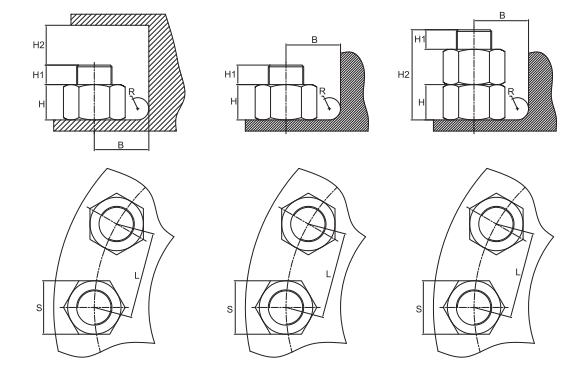
Galvenie jautājumi un apsvērumi
Vai instrumenta darbībai ir vietas ierobežojums??
- Apsvēršana: Novērtējiet pieejamo darba telpu, kurā hidrauliskā uzgriežņu atslēga tiks izmantots. Tas ietver atstarpi ap skrūvēm un darba zonas pieejamību. Telpas ierobežojumu dēļ var būt nepieciešams kompaktāks rīks vai specifiski piederumi, lai sasniegtu šauras vai neērtas vietas.
Kāds ir attālums starp savienotajām skrūvēm?
- Apsvēršana: Attālums starp skrūvēm var ietekmēt uzgriežņu atslēgas galvas vai ligzdas izmēra izvēli. Dažos gadījumos, sistēmai, iespējams, būs jāpielāgo vienlaicīga darbība ar vairākām skrūvēm, rūpīgi jāapsver uzgriežņu atslēgas galvas konstrukcija un pieejamība.
Kāds ir skrūves izmērs un pakāpe?
- Apsvēršana: Nosakiet konkrēto izmēru (diametrs) un atzīme (materiāla izturība) no skrūves. Šī informācija ir būtiska, lai izvēlētos piemērotu ligzdas izmēru un nodrošinātu, ka uzgriežņu atslēga spēj izturēt nepieciešamo griezes momentu, nesabojājot skrūves vai instrumentu..
Cik liels ir darbam nepieciešamais griezes moments?
- Apsvēršana: Aprēķiniet nepieciešamo griezes momentu, pamatojoties uz lietojumprogrammas specifikācijām un skrūvju izmēru. Hidrauliskās uzgriežņu atslēgas sistēmai jāspēj nodrošināt nepieciešamo griezes momentu ar precizitāti un konsekvenci. Apsveriet gan minimālo, gan maksimālo griezes momenta diapazonu, ko instruments var sasniegt.
Kāds ir maksimālais spiediens, kas nepieciešams darbam?
- Apsvēršana: Nosakiet maksimālo hidraulisko spiedienu, kas nepieciešams, lai sasniegtu vajadzīgo griezes momentu. Pārliecinieties, ka gan hidrauliskā uzgriežņu atslēga, gan sūknis spēj izturēt nepieciešamos spiediena līmeņus. Tas ietver arī hidraulisko šļūteņu un savienotājelementu nodrošināšanu atbilstoši spiedienam.
Kāda veida sūknis ir piemērots darbam - ar elektrisku vai gaisa piedziņu?
- Apsvēršana: Izvēle starp sūkņiem ar elektrisko vai gaisa piedziņu ir atkarīga no vairākiem faktoriem:
- Elektriski darbināmi sūkņi: Piedāvājiet precīzu vadību un pastāvīgu jaudu, padarot tos piemērotus lietojumiem, kuriem nepieciešami precīzi griezes momenta iestatījumi. Tie ir ideāli piemēroti vidēm, kur ir viegli pieejama elektroenerģija un to pieļauj drošības apstākļi.
- Ar gaisu darbināmi sūkņi: Piemērots sprādzienbīstamām vai bīstamām vidēm, kur elektriskās sistēmas var radīt risku. Tie ir noderīgi arī situācijās, kad jau ir gaisa padeve. Ar gaisu darbināmas sistēmas var būt vieglākas un pārnēsājamākas.
Papildu apsvērumi
- Instrumenta izturība un apkope: Izvēlieties sistēmu ar izturīgiem komponentiem, kas var izturēt darba apstākļus. Apsveriet apkopes vienkāršību un servisa un rezerves daļu pieejamību.
- Drošības līdzekļi: Meklējiet sistēmas ar iebūvētām drošības funkcijām, piemēram, aizsardzību pret pārslodzi, spiediena samazināšanas vārsti, un avārijas izslēgšanas iespējas.
- Lietotāja prasmju līmenis: Apsveriet operatoru prasmju līmeni. Dažām sistēmām var būt nepieciešama īpaša apmācība drošai un efektīvai lietošanai, savukārt citi var būt lietotājam draudzīgāki.
- Vides apstākļi: Faktors darba vidē, piemēram, temperatūra, mitrums, un iespējamā ķīmisko vielu vai kodīgu elementu iedarbība, kas var ietekmēt instrumenta veiktspēju un ilgmūžību.
Lietošanas gadījuma piemērs
Lielu industriālo iekārtu apkopes darbiem, kur skrūvēm nepieciešams precīzs griezes moments, lai nodrošinātu drošus savienojumus, a hidrauliskās griezes momenta atslēgas sistēma būtu būtiski. Ja darba zonā ir ierobežota vieta un vairākas skrūves atrodas tuvu viena otrai, ideāla būtu kompakta hidrauliskā uzgriežņu atslēga ar maināmām zema profila galviņām. Atkarībā no pieejamā barošanas avota, var izvēlēties vai nu elektrisku, vai ar gaisu darbināmu sūkni, ar elektrisko sūkni, kas nodrošina konsekventāku un precīzāku vadību.
Šī iestatīšana nodrošinātu, ka visas skrūves ir pievilktas līdz norādītajam griezes momentam, mašīnas integritātes saglabāšana un kļūmju novēršana. Pareiza hidrauliskās uzgriežņu atslēgas sistēmas izvēle, pamatojoties uz šiem apsvērumiem, nodrošina drošību, efektivitāti, gan instrumenta, gan tā izmantoto komponentu ilgmūžība.