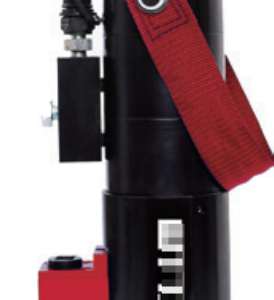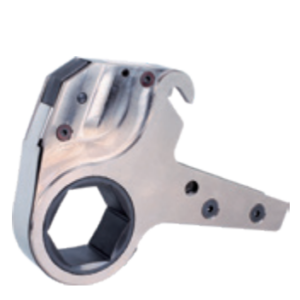
LONGLOOD NS-Series Hydraulic Nut Splitters are designed for the safe and efficient removal of seized, corroded, and damaged nuts in demanding industrial environments. By using controlled hydraulic force, the tool splits stubborn nuts quickly without damaging the bolt threads, reducing downtime and improving maintenance efficiency.
Engineered for heavy-duty applications, the NS-Series combines high cutting force, precision blade control, and durable construction to provide a reliable solution for industries such as petrochemical, piping, eli ana, hana kila, a me ka mālama ʻana i ka ʻoihana.
With adjustable cutting depth, interchangeable cutting heads, and corrosion-resistant hydraulic cylinders, LONGLOOD hydraulic nut splitters deliver outstanding performance even in harsh working conditions.
The NS-Series Hydraulic Nut Splitters are specially designed to meet the requirements of standard:
They are ideal for flange maintenance, pipeline repair, and industrial shutdown operations.
With a maximum operating pressure of 700 Bar, the NS-Series provides powerful cutting performance for removing heavily corroded nuts that cannot be loosened by conventional tools.
Loaʻa nā pōmaikaʻi:
The advanced tri-blade design provides three cutting surfaces on each blade, delivering:
Each cutting head features an adjustable blade depth scale that allows operators to precisely control blade penetration.
Loaʻa:
The modular cutting head design allows quick replacement and provides flexibility for different nut sizes.
KA MANAWA:
LONGLOOD NS-Series Nut Splitters are available with:
The hydraulic cylinder body features nickel-plated protection, providing:
Suitable for offshore, petrochemimical, and outdoor applications.
Built-in internal pressure relief valve protects the tool from overload conditions, ensuring:
| Parameter | Hōʻike |
|---|---|
| ʻAno Huahana | Hydraulic Nut Splitter |
| Series | NS-Series |
| ʻO ke kaomi hana kiʻekiʻe loa | 700 Bar |
| Palekana Bolt | M45 - M90 |
| Hexagon Nut Size | 70 - 130 mm |
| Kaulana Hiki | 917 - 1711 kN |
| ʻAno Puʻupuʻu | Hana hoʻokahi / Hana ʻelua |
| Cutting Technology | Tri-Blade System |
| Hōʻailona | Kaulana Hexagon Nut | Palekana Bolt | Hiki | Āinaʻaila | ʻO ke kinikini | Cutting Head | Kaumaha |
|---|---|---|---|---|---|---|---|
| NS-7085 | 70-85 mm | M45-M56 | 917 kN | 377 kn³ | NSC-70 | NSH-7085 | 37 kg |
| NS-110130 | 110-130 mm | M76-M90 | 1711 kN | 819 kn³ | NSC-110 | NSH-110130 | 71.5 kg |
LONGLOOD Hydraulic Nut Splitters are widely used in:
✔ Removes seized nuts quickly and safely
✔ Prevents bolt thread damage
✔ Suitable for extreme corrosion environments
✔ High-pressure 700 bar hydraulic operation
✔ Replaceable cutting blades extend service life
✔ Interchangeable heads for different nut sizes
✔ Corrosion-resistant nickel-plated cylinder body
✔ Designed for professional industrial maintenance
A hydraulic nut splitter is used to remove seized, ʻeleʻele, or damaged nuts by cutting through the nut body without damaging the bolt threads.
ʻAe. The NS-Series is specifically designed for heavily corroded and weathered nuts commonly found in pipelines, petrochemical equipment, and industrial machinery.
No. The adjustable blade cutting depth allows precise control to split the nut while protecting the bolt threads.
The NS-Series operates at a maximum hydraulic pressure of 700 Bar.
The NS-Series covers hexagon nut sizes from 70 mm to 130 mm and bolt sizes from M45 to M90.
ʻAe. The cutting blade is replaceable, helping extend the service life of the hydraulic nut splitter.
LONGLOOD NS-Series Hydraulic Nut Splitters provide a safe, lawa, and professional solution for removing difficult nuts in industrial maintenance applications, helping reduce downtime and improve operational efficiency.
ʻO ka lōʻihi ka lōʻihi o ka mea hana e alakaʻi ai i ka mea hana ma ka mea hana a me nā mea kūʻai aku o nā mea hana kiʻekiʻe hydraulico kiʻekiʻe, Ke hoʻopuka nei i nā hopena hydraulic kiʻekiʻe kiʻekiʻe no nā noi likeʻole.
Leka uila: Sale@longlodtoololol
Kelepona:+86-13599531763
Ke kāhea: Kōho 502, papahele 5, Ke kūkulu nei B, # 1 Papai uila, ʻO nā wahiʻoihana hale kūʻai hale kūʻai (hona iv), Hale Alanui Gankou, ʻO Jimei Apana, Xiazy,Fujian,Kina
E hui mākou iāʻoe i loko 1 e hana ana i ka la.